The Happy Art Project — how students benefit from Mandala-based Art Therapy
How students
benefit
Helping children build focus, emotional balance, confidence, and inner stability through structured Mandala-based Art Therapy.
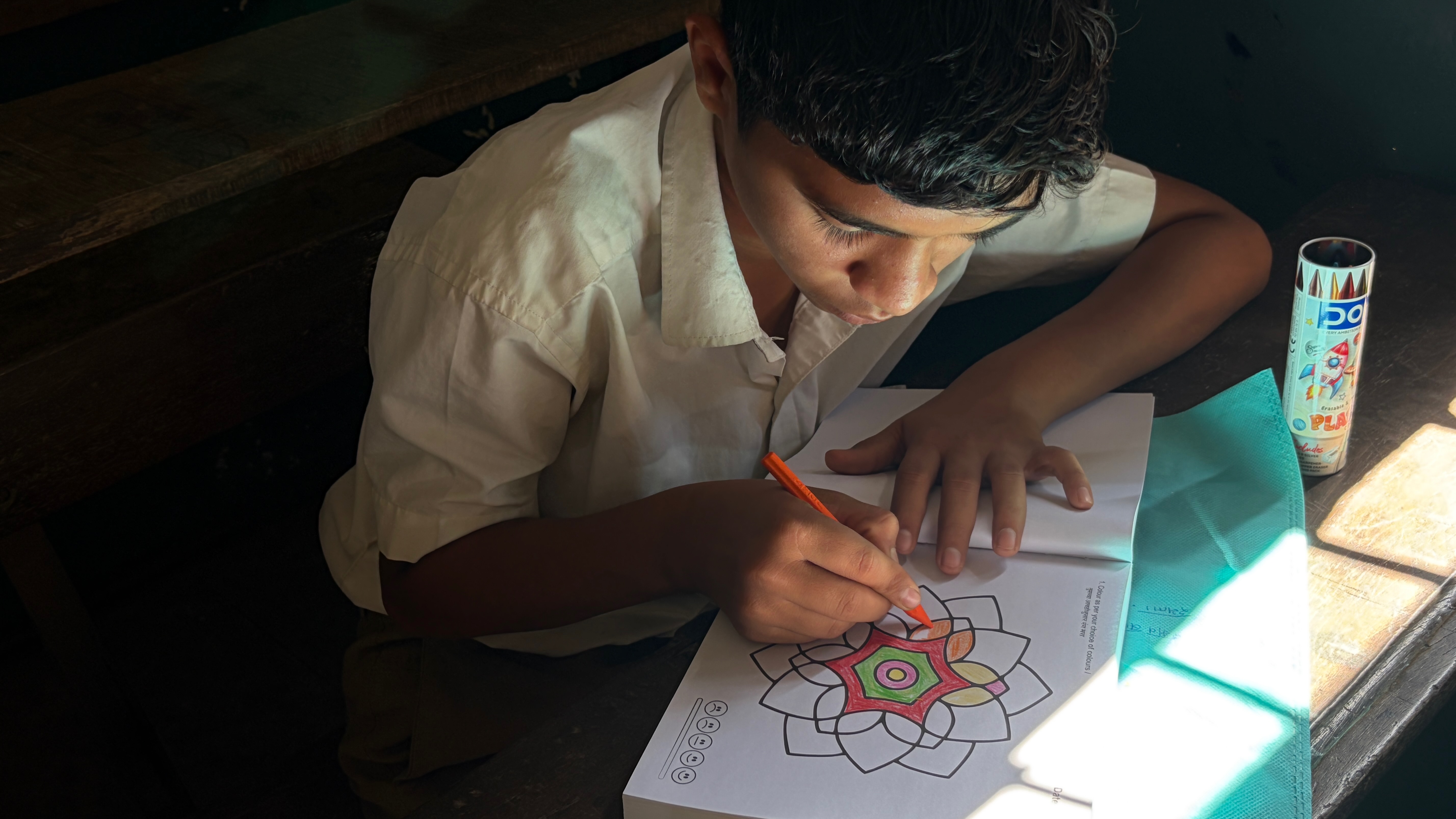
Five pillars of growth
Each session of Mandala Therapy gently works across five interconnected dimensions of a child's development.
Repetitive guided practice helps children regulate impulses from within.
- Improved patience and impulse control
- Reduced restlessness and aggression
- Better pause before reacting
A non-verbal channel for releasing fear, frustration, and emotional distress.
- Colour and pattern-based expression
- Emotional awareness and confidence
- Greater calmness and stability
Inner stability reduces dependency on external validation and peer pressure.
- Better peer relationships
- Stronger self-awareness
- Improved social judgement
Focus is a skill — Mandala trains it through sustained, calm attention.
- Improved concentration
- Cognitive stability
- Consistent task completion
True happiness is calmness and security — not excitement or reward.
- Joy without pressure or comparison
- Calmness without forced discipline
- Inner emotional stability
How Mandala Therapy works
Structured session
Children engage with guided Mandala drawing in a calm environment
Inner regulation
Rhythm and pattern create an internal anchor for emotions
Expression and release
Colour choice becomes a language for unspoken feelings
Holistic growth
Behavioural, emotional, social, and academic gains follow naturally
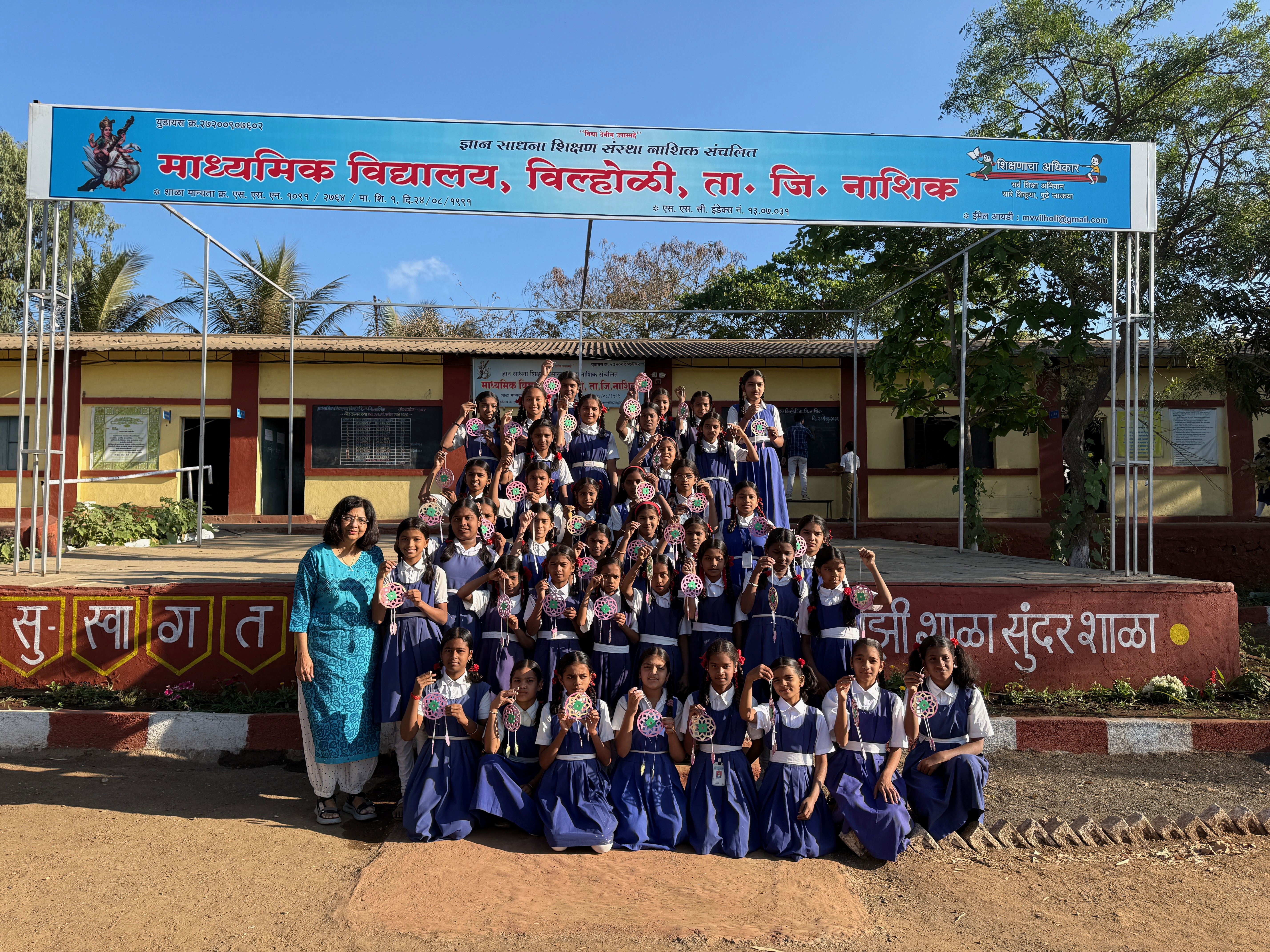
Every child deserves to feel stable within
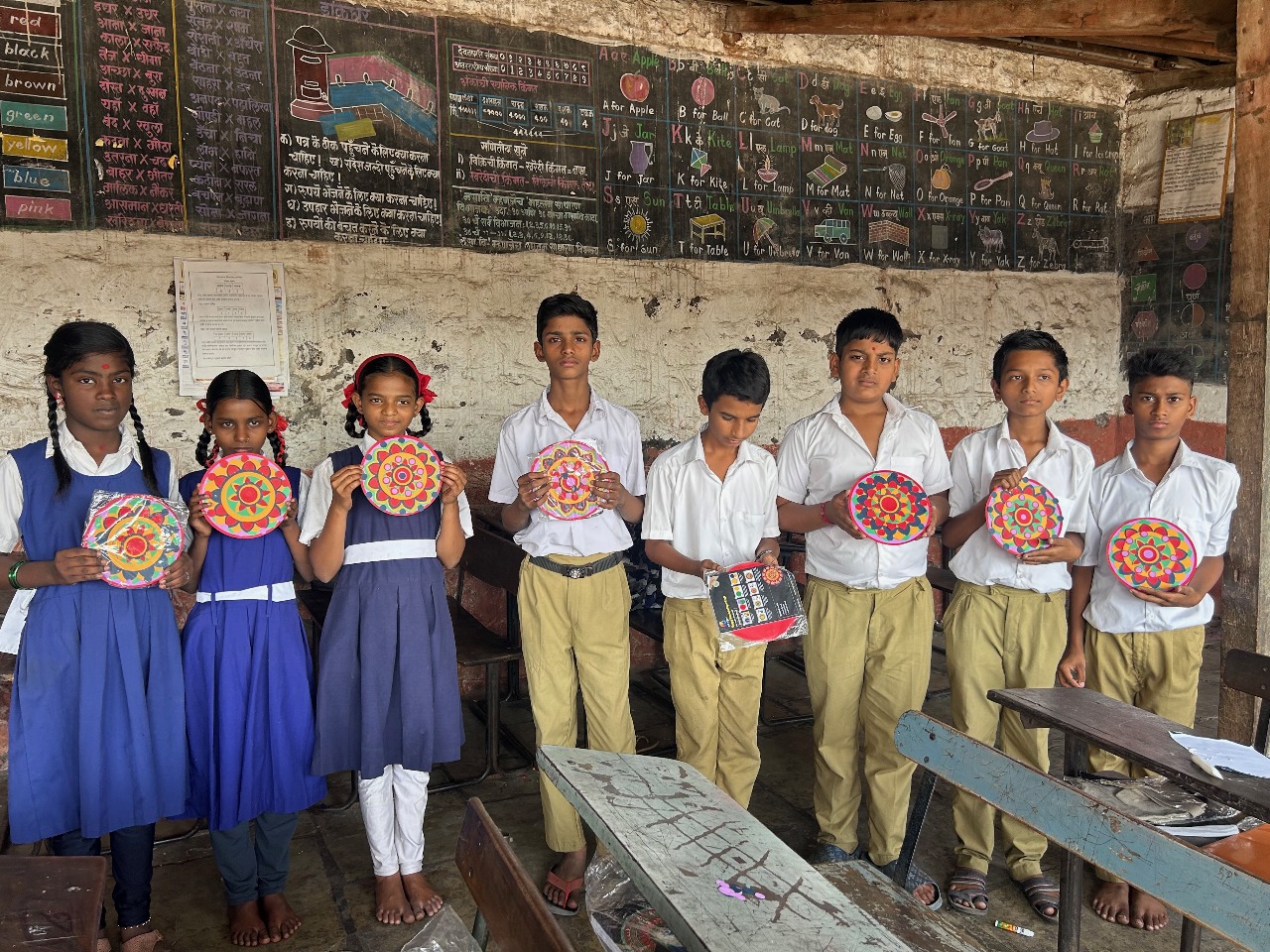
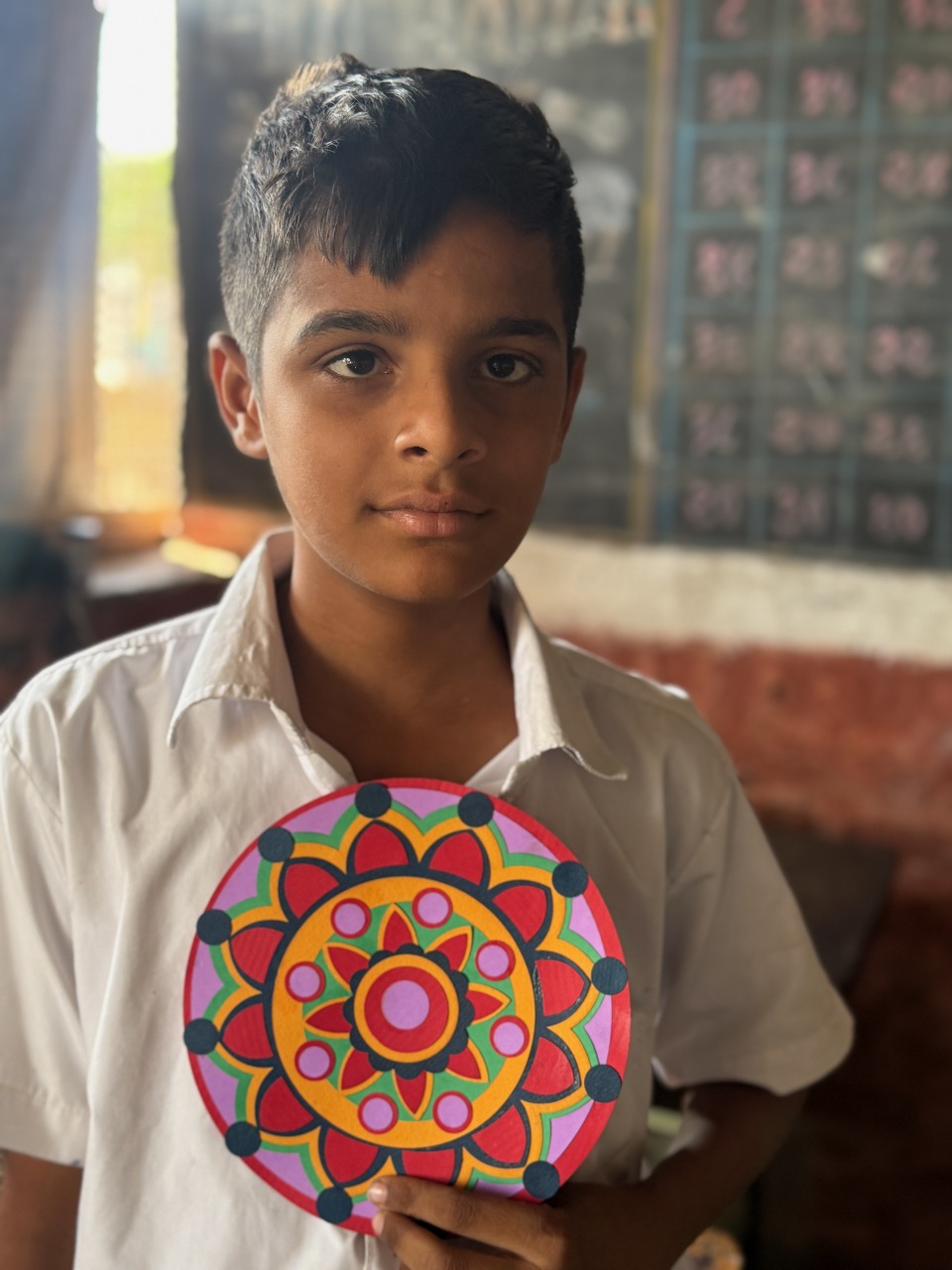
Support The Happy Art Project and help us reach more underprivileged children with structured Mandala Therapy.
The Happy Art Project addresses these foundational challenges through structured Mandala Therapy — helping children regulate from within rather than forcing change from outside.
Building self-regulation through structure
Many behavioural challenges stem not from disobedience, but from a lack of internal emotional regulation. Through repetitive, guided Mandala practice, children experience:
- Improved patience and impulse control
- Reduced restlessness and aggression
- Better ability to pause before reacting
- Increased behavioural discipline from within
Creating a safe space for expression
Many children struggle to express fear, frustration, or distress in words. Mandala Therapy offers a non-verbal channel through:
- Colour and pattern-based expression
- Safe emotional processing without verbal pressure
- Improved emotional awareness and confidence
- Greater calmness and emotional stability
Strengthening confidence and decision-making
Children who lack inner stability often seek validation externally, making them vulnerable to peer pressure. As emotional regulation improves:
- Better peer relationships
- Reduced dependency on external approval
- Stronger self-awareness and confidence
- Improved social judgement and decision-making
Enhancing focus, attention and learning readiness
Focus is not an instruction — it is a skill that must be developed. Mandala Therapy trains sustained attention by teaching children to:
- Stay engaged with one task at a time
- Build patience and concentration
- Improve cognitive stability
- Develop consistency in task completion
Building the foundation of emotional well-being
True happiness is not excitement or reward — it is the ability to feel calm, secure, and content from within. Through process-based creative engagement, children experience:
- Joy without pressure or comparison
- Satisfaction without external reward
- Calmness without forced discipline
- Increased inner emotional stability
The outcome — holistic development through internal alignment
The challenges children face are deeply interconnected. Emotional instability affects behaviour. Behaviour affects relationships. Poor focus impacts academics. And without inner stability, happiness remains fragile.
The Happy Art Project addresses this complete system through a structured therapeutic process that nurtures alignment from within. When internal balance improves, external growth follows naturally.